The Death of Sarah and the Hope Beyond the Grave
- Hyunjin Lee
- Mar 2
- 3 min read

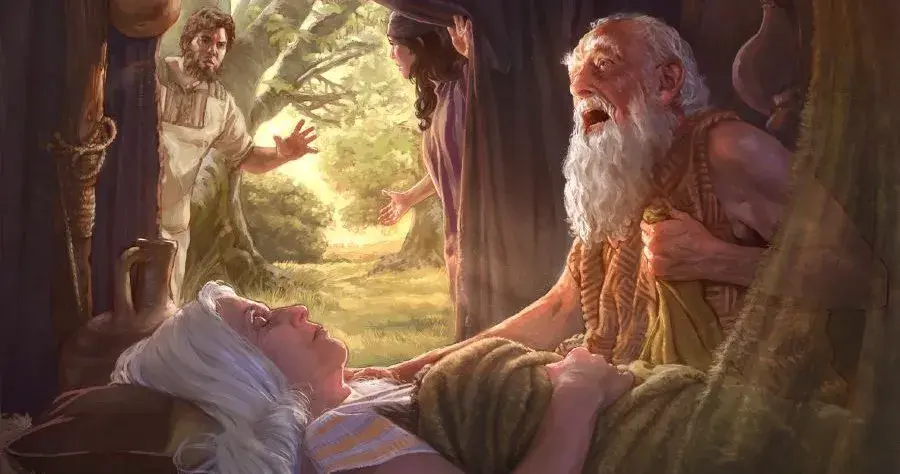
Genesis 23 records the death of Sarah. At first glance, it may appear to be a simple historical account. Yet within these verses lies profound truth about faith, dignity, mortality, and eternal hope.
Sarah’s Death (Genesis 23:1–2)
Sarah lived 127 years. Scripture not only records her age but also the specific place of her death — Hebron (Kiriath Arba). This detailed mention is unique in the biblical record. In a patriarchal culture where women were often minimally referenced, the Bible carefully honors Sarah’s life and character.
Though Hebrew society was male-centered, Scripture highlights several women whose faith and influence were indispensable in redemptive history. Sarah stands among them. Her age and burial location are recorded as a testimony that her role in God’s covenant plan was significant and honored before Him.
She endured wandering and hardship alongside Abraham. She experienced barrenness, waiting, doubt, jealousy, and eventual fulfillment. Through her, God brought forth the child of promise. While she was not without human weakness, her place in redemption history is unique. In this sense, she stands in parallel with Mary, who bore Christ — both women were instruments through whom God advanced His covenant purposes.
When her role on earth was complete, God called her home.
No matter how remarkable a life may be, every person eventually exits the stage of history. Sarah’s name was prominent beside Abraham’s, yet in the end, only God and His purposes remain eternal.
Abraham’s Grief
“Abraham went in to mourn for Sarah and to weep for her.”
Faith does not eliminate sorrow. Abraham wept. He mourned deeply. Love makes grief inevitable.
Death entered the world through sin (Genesis 3:19). It is a consequence of humanity’s fall and carries weight, pain, and finality. From a human perspective, death feels destructive and absolute.
But Scripture does not end there.
The Believer’s Posture Toward Death
Because Jesus Christ bore sin on the cross and rose again, death no longer holds ultimate authority. Through His resurrection, the power of death was broken.
For the believer:
Eternal life is already secured (John 5:24).
The second death has no power (Revelation 20:6).
Death becomes not an end, but a passage.
This does not remove human sorrow. Scripture never commands emotional numbness. However, it does call believers not to grieve “as those who have no hope” (1 Thessalonians 4:13).
For the Christian, death is not merely loss — it is entrance into rest. It is the closing of earthly suffering and the beginning of eternal joy. It is, in a mysterious way, God’s merciful invitation home.
The Cave of Machpelah: Faith in Action
After Sarah’s death, Abraham purchases the cave of Machpelah. Though God had promised him the land, he still lived as a foreigner. This burial plot became the first legally secured piece of the promised inheritance.
What began as a grave became a declaration of faith.
Abraham buried his wife in a land he did not yet possess, trusting that God’s promises would outlive him. The tomb became a marker of covenant hope. Later generations — Abraham, Isaac, Rebekah, Leah, and Jacob — would be buried there.
Even in death, God’s redemptive plan was unfolding.
Spiritual Reflection
Genesis 23 reminds us:
No life, however great, escapes mortality.
Grief is natural, but despair is not final.
God honors those who participate in His covenant purposes.
Death, for the believer, is transformed by resurrection hope.
Our earthly years are preparation for eternity.
This life is not meaningless movement toward a grave. It is preparation for eternal fellowship with God.
We must ask ourselves:
What is God’s purpose for my life right now?
Am I living in light of eternity?
If my time were complete, would I be ready?
Reflection Questions
How do you respond to the reality of death — with fear, denial, hope, or trust?
Do you believe eternal life is a present reality or only a distant concept?
What does it mean to prepare your soul for eternity?
Are you grieving with hope?
For the believer, death is not the extinguishing of light. It is the doorway into everlasting glory.


Comments